


EducQuest and Samawy Educational Publishing
Science Curriculum
Designing a Training Curriculum to Support Inclusive Education in Higher Education Institutions
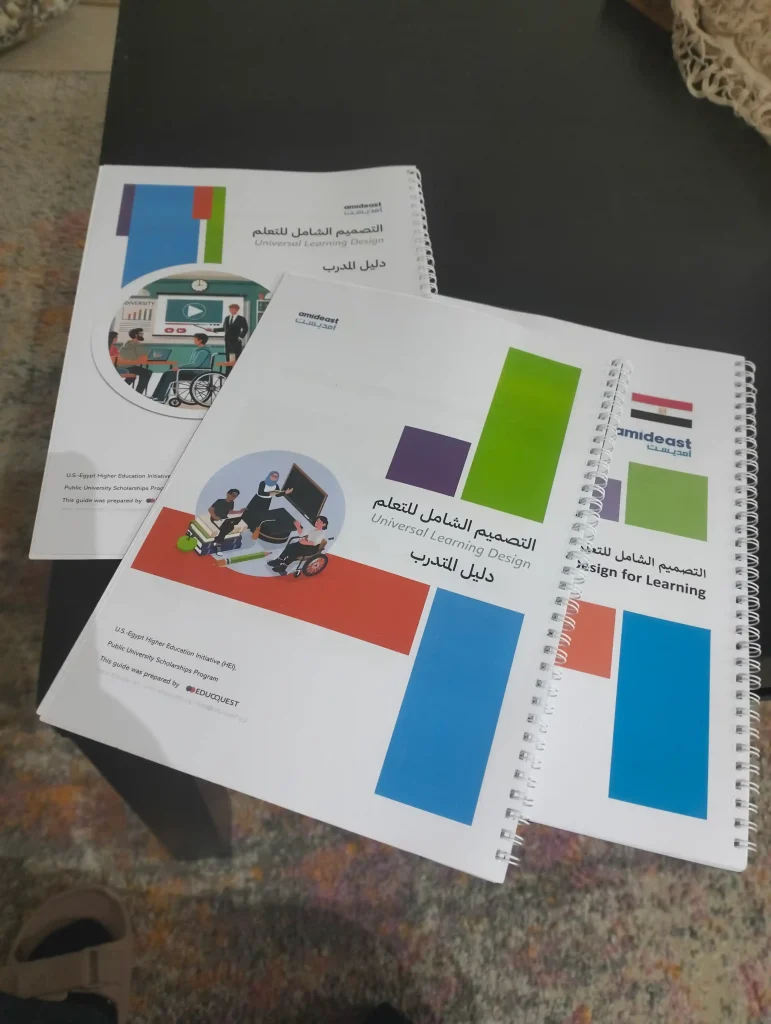
This project presents a model for designing a comprehensive training curriculum in Universal Design for Learning (UDL), aimed at higher education institutions seeking to build more inclusive and equitable learning environments and promote equal learning opportunities for all students.
The curriculum was developed within the framework of the Higher Education Initiative between Egypt and the United States (HEI), in collaboration with AMIDEAST, to support public universities participating in scholarship programs, while taking into account the institutional and cultural context of higher education.
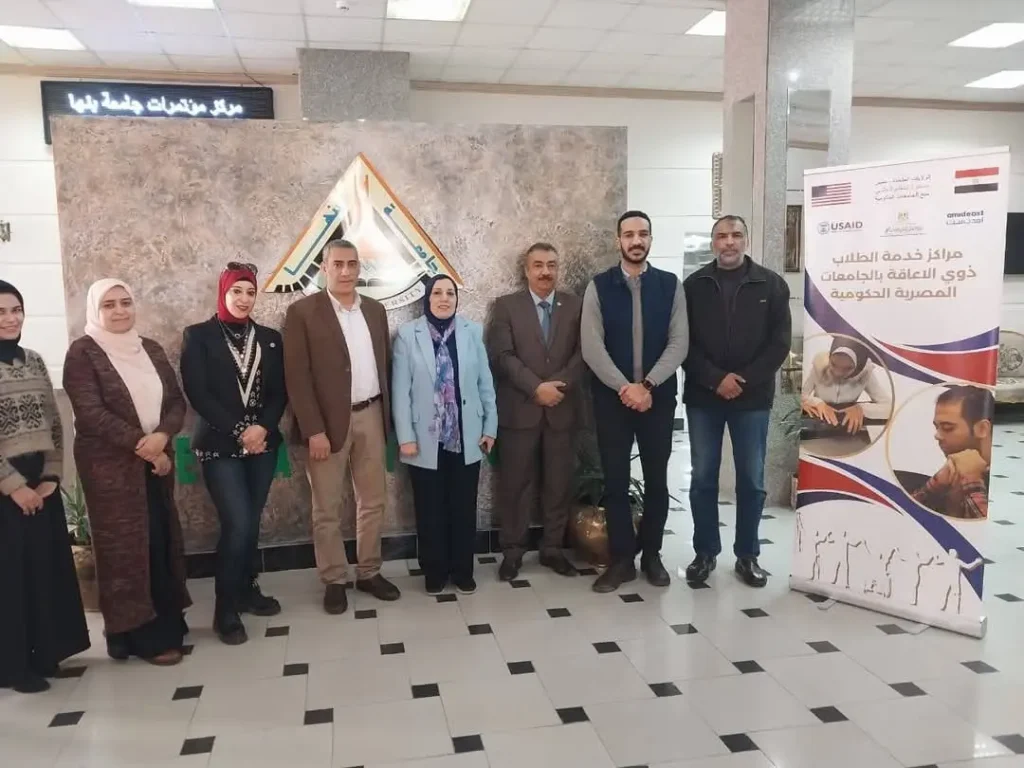
Project Context
Higher education institutions face growing challenges in providing learning environments that accommodate the diversity and needs of learners, especially in relation to access to education for students with disabilities and the development of a university culture that supports inclusive learning.
This project is grounded in an understanding of these challenges and presents a model for designing a training curriculum that supports universities in moving from partial or individual solutions toward a comprehensive institutional approach that addresses teaching practices, organizational structures, and academic culture.
Curriculum Direction
The curriculum is based on an educational approach that views:
- Inclusive education as a standard of quality in higher education.
- The design of learning environments as a shared responsibility within the institution.
- Removing barriers to learning as a way to improve the educational experience for all students, not only a specific group.
Project Objectives
This training curriculum model aims to:
- Enable participants to understand and apply the principles of Universal Design for Learning (UDL) in higher education.
- Support the development of flexible learning environments that respond to learner diversity.
- Enhance institutions’ capacity to address educational barriers systematically.
- Support the development of a university culture based on equity and equal access to opportunities.
- Empower academic leaders to lead sustainable inclusive education initiatives.
Features of the Educational Solution
This model of educational solutions is distinguished by several key features, including:
- A focus on the institutional context of higher education.
- Connecting the educational dimension with the leadership dimension.
- Approaching inclusive education as a comprehensive institutional practice.
- Providing training content that supports analysis, reflection, and decision-making.
- Adaptability to different university contexts.
Curriculum Components
The curriculum includes:
- Interactive training modules on the principles of Universal Design for Learning.
- Practical activities connected to the university work context.
- Guiding frameworks that support the transfer of learning outcomes into the institution.
- Tools that help participants develop perspectives and improvement plans.
Target Audience
This model was designed to target:
- Leaders of disability support centers.
- Faculty members.
- Teaching assistants.
- Academic leaders involved in higher education development.
Value Delivered by the Project
This project presents a model of EducQuest solutions in:
- Designing training curricula that support inclusive education.
- Building sustainable institutional capacity in higher education.
- Developing more equitable and inclusive teaching practices.
- Aligning educational initiatives with the institutional and cultural context.
EducQuest Philosophy
At EducQuest, we believe that inclusive education is not an add-on program, but a foundation for the quality and sustainability of education.
مناهج إديكويست


